PUBLICATIONS

I write to amplify the voices of those often overlooked—to bring visibility to the experiences of young musicians, teachers of color, and communities whose stories deserve to guide the evolution of music education.

I write to amplify the voices of those often overlooked. To bring visibility to the experiences of young musicians, teachers of color, and communities whose stories deserve to guide the evolution of music education.

MY BOOK
MY BOOK

This innovative volume explores the potential of alternative seating practices (ASP) to revolutionize orchestral music teaching in US schools and beyond by improving musicians’ social and musical experiences, including peer mentorship. Challenging traditional hierarchical seating structures and drawing on longitudinal research and autoethnographic data, it explores the benefits of alternative seating practices on student learning, well-being, and overall musical performance. Rooted in critical discussion of the importance of social justice in music education, it describes new strategies for culturally responsive pedagogies and examines how educators and conductors can create a cohesive and collaborative orchestra guided by the principles of ethnic studies, while valuing and celebrating diversity among the members. It will be of interest to academics, scholars, and educators in music education and pedagogy, social justice education, and race and ethnic studies.
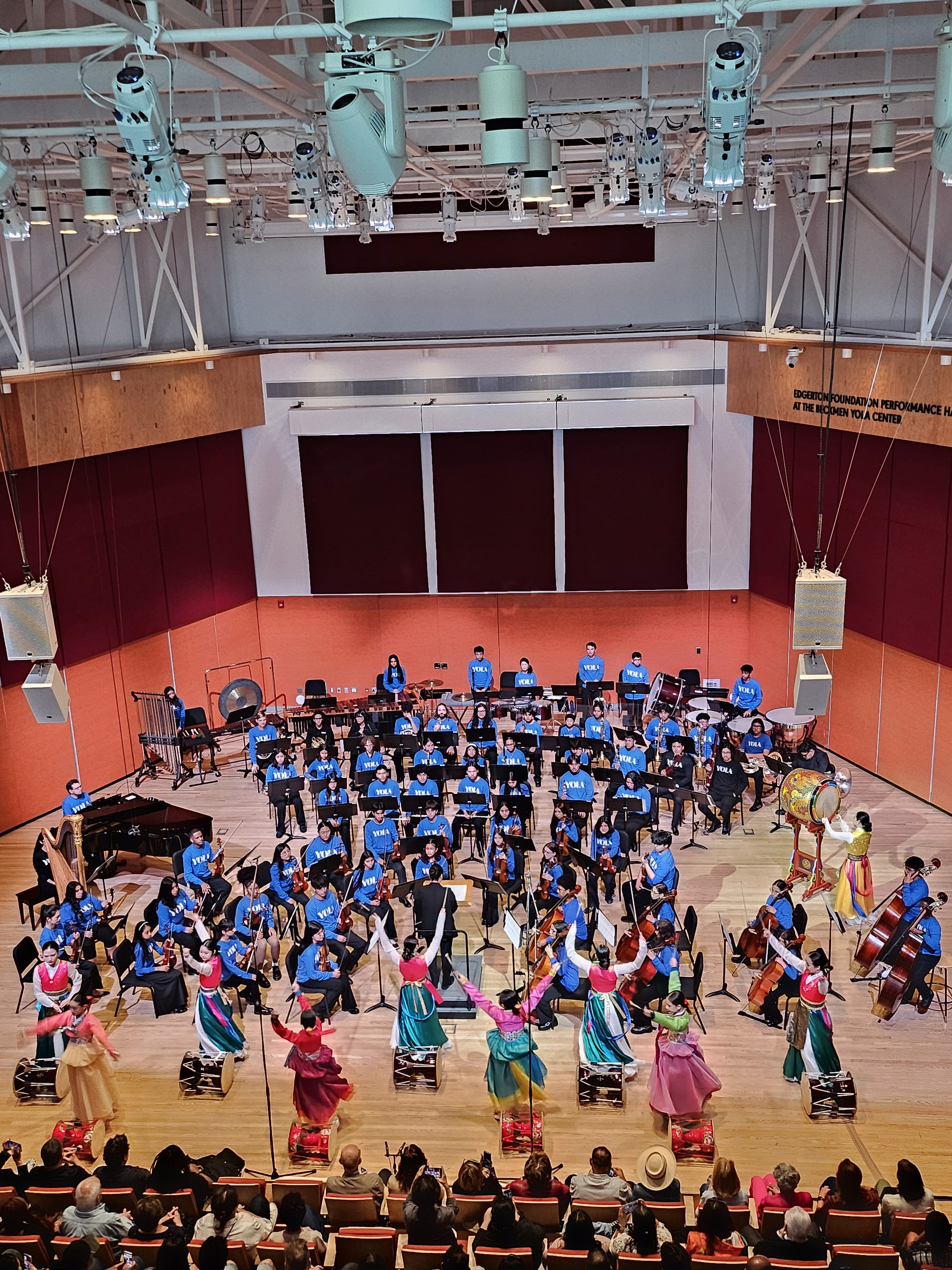
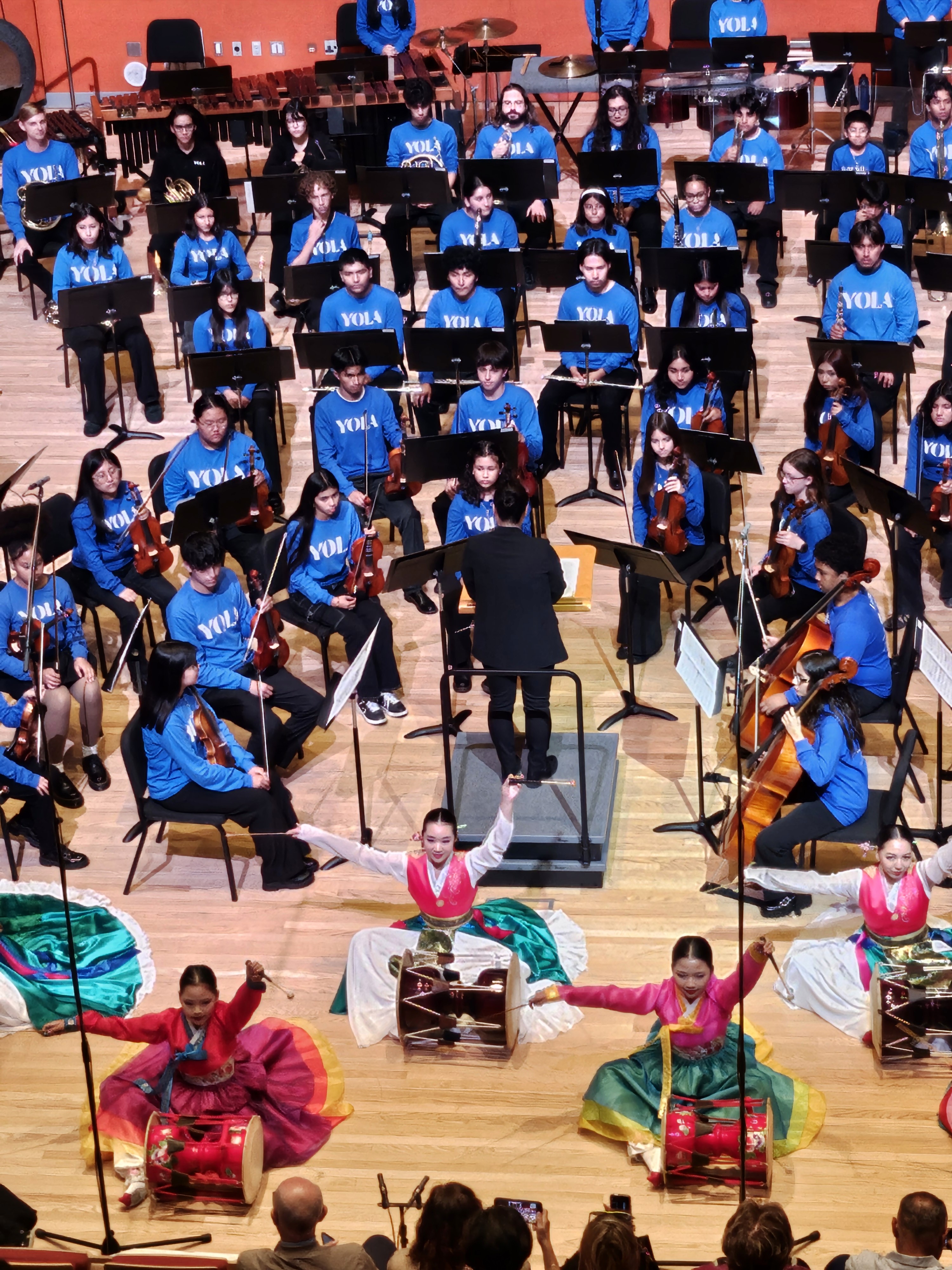
This innovative volume explores the potential of alternative seating practices (ASP) to revolutionize orchestral music teaching in US schools and beyond by improving musicians’ social and musical experiences, including peer mentorship. Challenging traditional hierarchical seating structures and drawing on longitudinal research and autoethnographic data, it explores the benefits of alternative seating practices on student learning, well-being, and overall musical performance. Rooted in critical discussion of the importance of social justice in music education, it describes new strategies for culturally responsive pedagogies and examines how educators and conductors can create a cohesive and collaborative orchestra guided by the principles of ethnic studies, while valuing and celebrating diversity among the members. It will be of interest to academics, scholars, and educators in music education and pedagogy, social justice education, and race and ethnic studies.

This innovative volume explores the potential of alternative seating practices (ASP) to revolutionize orchestral music teaching in US schools and beyond by improving musicians’ social and musical experiences, including peer mentorship. Challenging traditional hierarchical seating structures and drawing on longitudinal research and autoethnographic data, it explores the benefits of alternative seating practices on student learning, well-being, and overall musical performance. Rooted in critical discussion of the importance of social justice in music education, it describes new strategies for culturally responsive pedagogies and examines how educators and conductors can create a cohesive and collaborative orchestra guided by the principles of ethnic studies, while valuing and celebrating diversity among the members. It will be of interest to academics, scholars, and educators in music education and pedagogy, social justice education, and race and ethnic studies.

PUBLICATIONS

Scholarship Rooted in Community

As artists, educators, scholars, and musicians, we hold a responsibility that extends far beyond performance or publication. Every idea we research, every paper we write, and every piece of music we cultivate emerges from the lives, cultures, and communities that shape our work. Scholarship is not an abstract pursuit—it is an act of love.


To publish is to amplify voices.
To research is to honor lived experience.
To teach is to share knowledge as a form of care.


When we step onto the podium, into a classroom, or into the pages of academic inquiry, we are entrusted with the task of nurturing curiosity, advancing understanding, and deepening our collective humanity. Our work must reflect the people who inspire it, remain accountable to the communities it touches, and strive to create pathways for others to be heard, seen, and celebrated.


In this way, scholarship is not just what we produce. It is how we serve.

Scholarship Rooted in Community

As artists, educators, scholars, and musicians, we hold a responsibility that extends far beyond performance or publication. Every idea we research, every paper we write, and every piece of music we cultivate emerges from the lives, cultures, and communities that shape our work. Scholarship is not an abstract pursuit—it is an act of service.


To publish is to amplify voices.
To research is to honor lived experience.
To teach is to share knowledge as a form of care.


When we step onto the podium, into a classroom, or into the pages of academic inquiry, we are entrusted with the task of nurturing curiosity, advancing understanding, and deepening our collective humanity. Our work must reflect the people who inspire it, remain accountable to the communities it touches, and strive to create pathways for others to be heard, seen, and celebrated.


In this way, scholarship is not just what we produce. It is how we serve.